
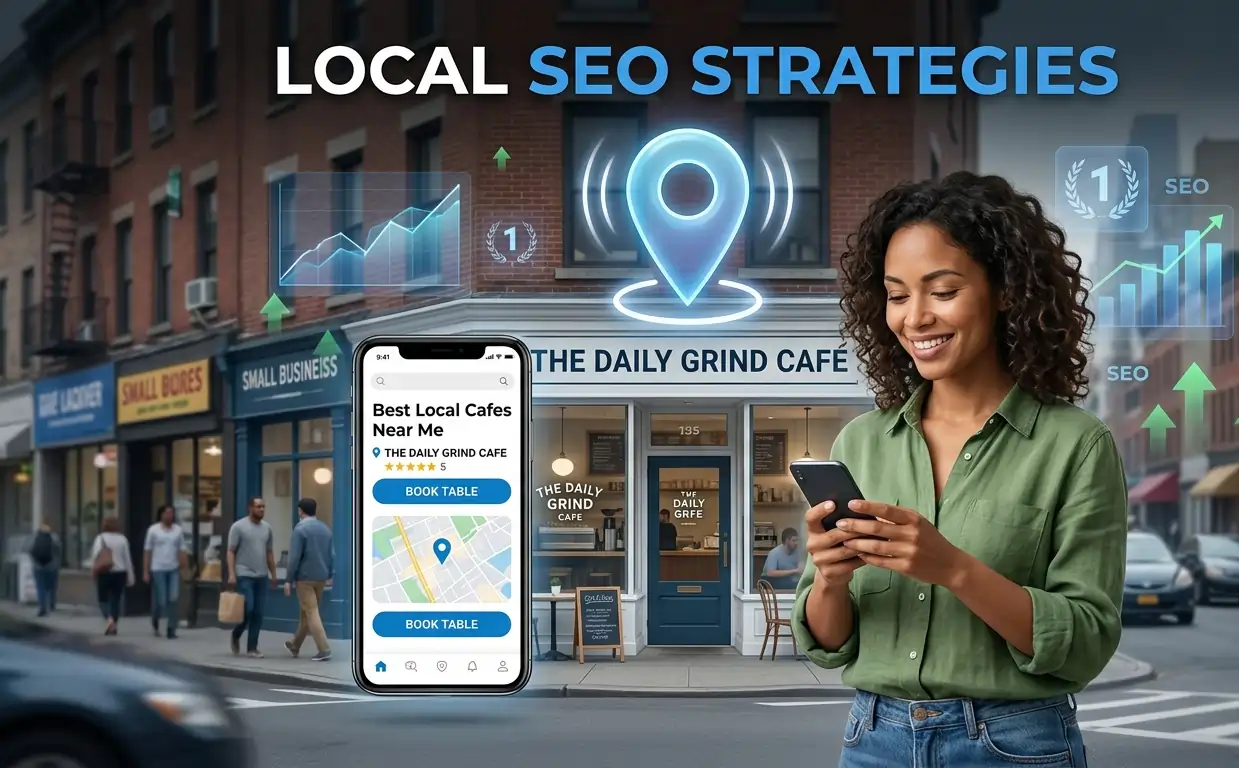
Local SEO strategies help businesses rank higher in Google Maps and improve visibility on Google local results. By optimizing your Google Business Profile, building local citations, and targeting “near me” searches, you can increase calls, website visits, and foot traffic. This 2026 blueprint covers proven frameworks, ranking signals, and actionable steps to generate consistent local leads.
Table of Contents
- Why Are Local SEO Strategies More Powerful Than Ever in 2026?
- What Is Local SEO, and How Does It Compare to Traditional SEO?
- How Does Google Actually Rank Businesses in the Map Pack?
- What Is the Complete Local SEO Strategy Framework?
- How Do You Optimize Your Google Business Profile the Right Way?
- How Do You Build a Local SEO Content Strategy That Actually Ranks?
- What Is the 30-Day Google Maps Ranking Blueprint?
- How Can You Use Structured Data to Improve Local Rankings?
- What Are the Most Common Local SEO Mistakes That Kill Rankings?
- How Do You Run a Complete Local SEO Audit?
- How Should Multi-Location Businesses Approach Local SEO?
- How Will AI and Voice Search Impact Local SEO Strategies?
- Who Benefits Most From Advanced Local SEO Strategies?
- Frequently Asked Questions About Local SEO Strategies
Why Are Local SEO Strategies More Powerful Than Ever in 2026?
Local SEO strategies have become more powerful in 2026 because user behaviour has changed. People now search on mobile, expect instant answers, and trust local results more than generic websites.
With the growth of AI search, Google Maps visibility, and “near me” queries, businesses that invest in local SEO dominate customer attention at the exact moment of buying intent.
Growth of Mobile Search
Mobile search now leads local discovery. According to data from Google, most local searches happen on smartphones.
Users search while traveling, shopping, or comparing services nearby. If your business is not optimized for mobile and Google Maps, you lose high-intent traffic that is ready to convert immediately.
“Near Me” Search Behavior
People increasingly perform ‘near me’ searches each year. When someone types:
- “best dentist near me”
- “SEO agency near me”
- “coffee shop near me”
They show strong local search intent.
Google prioritizes businesses based on location relevance, reviews, and profile optimization. This makes Local SEO strategies essential for visibility and conversions.
AI Search & Map Pack Visibility
AI-powered search results now summarize local options directly inside search results. Tools like Google AI systems analyze:
- Reviews
- Business descriptions
- Customer engagement
- Website authority
The Google Map Pack appears above organic listings. If your business ranks in the Map Pack, you gain maximum exposure without users scrolling further.
Local Search Intent Dominance
Local intent dominates modern search behaviour. Users do not just search for information; they search to take action.
Examples include:
- Call now
- Get directions
- Book appointment
- Visit store
Local SEO connects businesses directly to ready-to-buy customers, making it more powerful than traditional traffic-based SEO.
Statistics Hook
Recent industry studies show:
- Seventy-six per cent of users who search for nearby businesses visit one within 24 hours.
- Twenty-eight per cent of these searches lead customers to make a purchase.
- Mobile searches for “near me” have increased significantly over the past few years.
These numbers prove that Local SEO strategies directly impact revenue, not just rankings.
How Is Google Maps Changing Customer Buying Decisions?
Google Maps has transformed how customers choose local businesses. People no longer browse multiple websites. They make quick decisions directly inside the map interface.
Direction Clicks
When users click “Directions,” they show high purchase intent.
Direction clicks signal that the customer plans to visit physically. Businesses that appear in the top Map Pack gain more foot traffic and offline conversions.
Click-to-Call Behaviour
Click-to-call features allow users to contact businesses instantly.
This reduces friction and increases conversions. Many service-based businesses receive most of their leads directly from Google Maps calls.
Reviews Influence
Online reviews heavily influence decisions. Platforms like Google display ratings prominently.
Customers compare:
- Star ratings
- Review quantity
- Recent feedback
- Owner responses
Higher ratings build trust and improve prominence in local rankings.
Instant Decision-Making
Local search is fast. Customers compare 2-3 options and decide within minutes.
If your business profile has:
- Clear images
- Updated hours
- Strong reviews
- Complete information
You win the decision instantly.
What Is Local SEO, and How Does It Compare to Traditional SEO?
Local SEO is the process of optimizing your business to rank in location-based search results.
It focuses on improving visibility in:
- Google Maps
- Local Map Pack
- Location-based organic results
Unlike traditional SEO, Local SEO targets nearby customers instead of national or global traffic.
Local vs Nationwide SEO
Traditional SEO focuses on ranking for broad keywords across large regions.
Local SEO focuses on:
- City-based keywords
- “Near me” queries
- Service + location combinations
For example:
- “SEO services” = nationwide
- “SEO services in Lahore” = local intent
Local SEO drives higher conversion rates because it targets ready-to-buy users.
Local Search Ecosystem Overview
The local search ecosystem includes:
- Google Business Profile
- Google Maps
- Online directories
- Review platforms
- Local citations
- Website optimization
All these elements work together to improve relevance, prominence, and proximity signals.
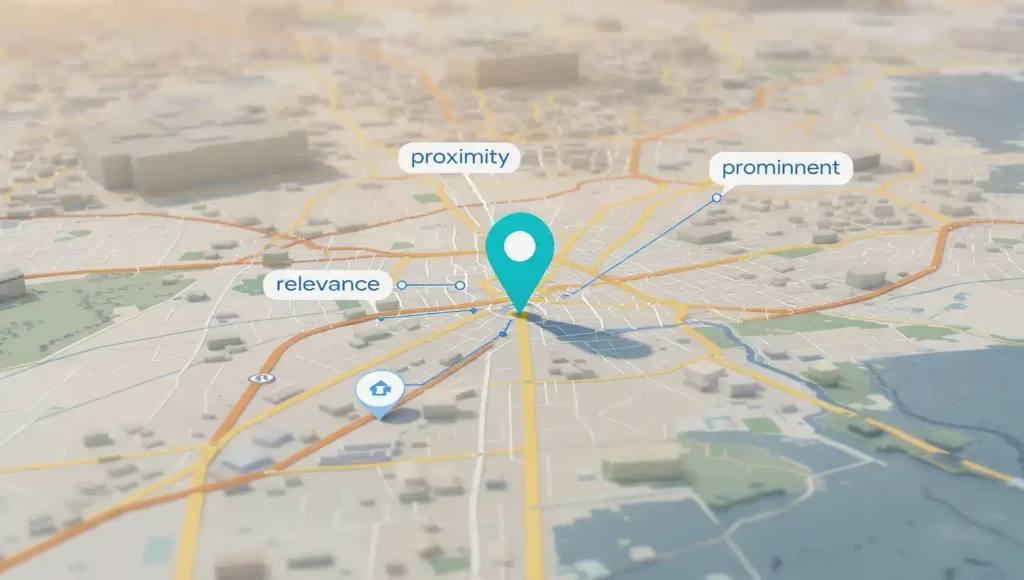
What Happens When Someone Searches “Near Me”?
When a user types “near me,” Google activates its local ranking algorithm. It evaluates multiple factors before showing results.
Proximity
Proximity measures how far a business is from the person searching for it.
Even if your SEO is strong, distance still influences rankings. That is why accurate addresses and geo-signals matter.
Relevance
Relevance checks how well your business matches the search query.
Google analyzes:
- Business categories
- Keywords in description
- Website content
- Services listed
Optimizing your profile improves relevance signals.
Prominence
Prominence reflects how well-known your business is.
It includes:
- Number of reviews
- Quality backlinks
- Brand mentions
- Overall authority
A stronger online presence increases prominence.
Behavioral Signals
Google tracks user behaviour signals such as:
- Click-through rate
- Direction requests
- Call clicks
- Dwell time
Positive engagement improves your local rankings over time.
How Does Google Actually Rank Businesses in the Map Pack?
Google uses a combination of core and advanced ranking factors to determine which businesses appear in the Map Pack. Understanding these signals helps you optimize your Local SEO strategy and outperform competitors in local searches.
The 3 Core Ranking Factors (And What They Really Mean)
Proximity
Proximity indicates how far the searcher is from your business location. Even with strong SEO, being closer to the user increases your chances of appearing in the Map Pack. Accurate address details and proper geo-tagging are essential.
Relevance
Relevance evaluates how well your business matches the user’s query. Google analyzes your:
- Business category
- Keywords in descriptions
- Services offered
- Website content
Optimizing for relevance ensures your business is considered for the right searches.
Prominence
Prominence reflects your overall reputation and authority online. Factors include:
- Number and quality of reviews
- Citations and backlinks
- Social proof and brand mentions
- Consistency of NAP across directories
High prominence improves your visibility in competitive local markets.
What Advanced Signals Does Google Consider in 2026?
Google’s local ranking algorithm has evolved. Advanced signals now influence Map Pack rankings:
- CTR Optimization: Higher click-through rates signal user interest.
- Review Velocity: Frequent new reviews indicate active engagement.
- Review Keywords: Natural keywords in reviews improve relevance.
- Engagement Metrics: Clicks for directions, calls, and profile interactions matter.
- Brand Searches: Users actively searching for your business increase authority.
- Geo Relevance Clustering: Businesses in clusters of relevant searches get higher visibility.
In 2026, optimizing for these signals is essential for sustainable local rankings.
What Is the Complete Local SEO Strategy Framework?
A structured framework ensures consistent results. Here’s a 5-layer Local SEO strategy that covers every stage from setup to conversion.
Foundation Layer: Is Your Base Setup Strong Enough?
- Google Business Profile Optimization: Fully completed profiles with accurate info.
- NAP Consistency: Requires you to match your Name, Address, and Phone information on every platform.
- Category Optimization: Choose the most appropriate categories that accurately describe your business.
- Service Areas: Define areas you serve for better local targeting.
- Map Embed Optimization: Embed maps on your website to improve geo signals.
Relevance Layer: Are You Targeting the Right Keywords?
- Local Keyword Research: Identify keywords your audience uses locally.
- Location-Based Keywords: Combine service + city for hyperlocal targeting.
- Location-Targeted Landing Pages: Create dedicated pages for every service area.
- Hyperlocal Content: Content that addresses specific neighbourhoods, streets, or zones.
Authority Layer: How Do You Build Local Trust Signals?
- Local Backlinks: Earn links from authoritative local sources.
- Local PR: Coverage in local news outlets enhances trust.
- Sponsorship Links: Partner with community events and organizations.
- Chamber of Commerce Links: Official listings improve credibility.
- Citation Building Strategy: Ensure consistent mentions on relevant directories.
Engagement Layer: Are Users Interacting With Your Listing?
- Click-to-Call Tracking: Monitor which users call directly from the profile.
- Direction Clicks: Track navigation requests to your business.
- Review Responses: Responding to reviews signals engagement and builds trust.
- Q&A Optimization: Answer common questions directly on your profile.
- Image Geo-Tagging: Geo-tagged images improve local relevance signals.
Conversion Layer: Are You Turning Traffic Into Customers?
- Call Tracking: Identify which leads come from local search.
- GBP Insights: Analyze Google Business Profile performance data.
- Heatmaps: Understand where users interact most on your website.
- Conversion Rate Optimization: Improve the percentage of visitors who take action.
This framework ensures your Local SEO strategy covers everything from visibility to engagement and conversions, making your business competitive in 2026’s local search landscape.
How Do You Optimize Your Google Business Profile the Right Way?
Optimizing your Google Business Profile (GBP) is critical to rank higher in Map Pack results and capture local search traffic. A complete, accurate, and engaging profile improves relevance, prominence, and trust with both users and search engines.
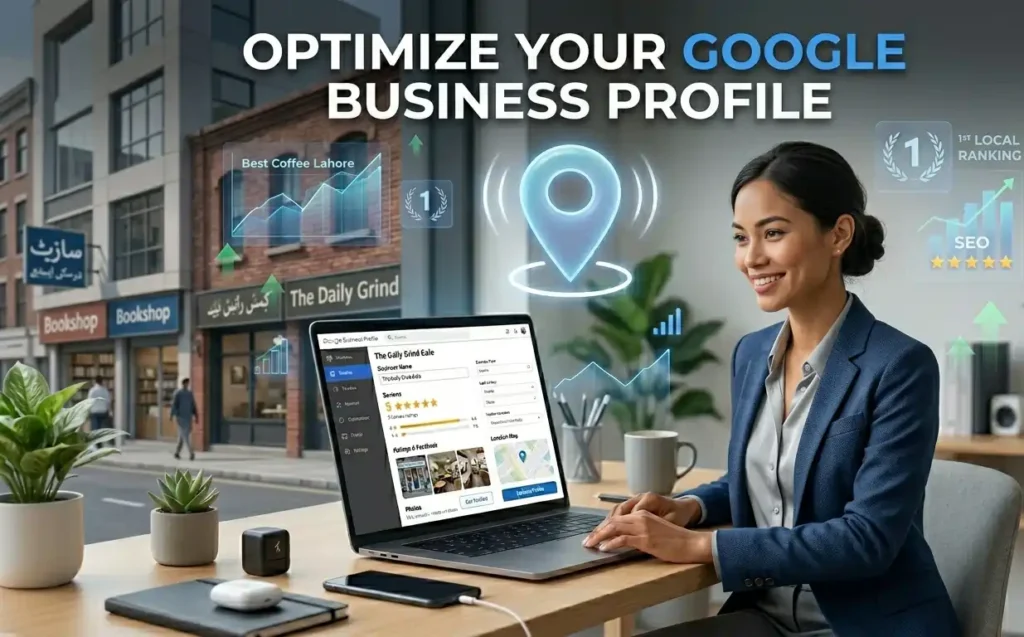
Category & Service Optimization Checklist
- Primary Category: Choose the most specific category that represents your business. For example, an SEO agency should select “Digital Marketing Agency” rather than a broad “Marketing” category.
- Secondary Categories: Add additional relevant categories to cover all services you offer.
- Service Descriptions: Use concise, keyword-rich descriptions for each service. Include city or area mentions naturally to boost local relevance.
Proper category and service setup ensure Google understands your business exactly, improving your chances to appear in relevant local searches.
How Can You Increase Google Maps Visibility Fast?
Maximizing visibility in Google Maps requires consistent activity and engagement:
- Weekly Posts: Share updates, promotions, or events to show active management.
- Review Acquisition System: Encourage satisfied customers to leave reviews consistently.
- FAQ Section: Answer common customer questions to improve relevance.
- Photo Updates: Regularly add images of your business, products, or services to increase engagement and trust.
These practices signal to Google that your business is active, trustworthy, and relevant, which boosts Map Pack rankings quickly.
How Do You Build a Local SEO Content Strategy That Actually Ranks?
A strong local content strategy drives qualified traffic and enhances authority. The key is combining geo-targeted pages with internal linking structures that support local search intent.
Should You Create Geo-Targeted Landing Pages?
- City Pages: Develop individual pages for every city or town where your business provides services
- Service + City Pages: Combine your services with location keywords for hyperlocal targeting (e.g., “SEO Services in Lahore”).
- Internal Linking Clusters: Link these pages strategically to your main service pages to boost relevance and user navigation.
Geo-targeted landing pages help you capture users searching specifically for services in their area, increasing qualified leads.
What Is the Pillar + Cluster Model for Local SEO?
The pillar + cluster model organizes content to improve relevance and authority for local searches:
- Main Service Page (Pillar): Covers your core service in-depth and serves as the central hub.
- Supporting Local Blogs (Clusters): Articles targeting specific neighbourhoods, use cases, or questions linked back to the main page.
- Internal Linking Strategy: Connect cluster content to the pillar page and other relevant pages to distribute authority and improve navigation.
This structure signals to Google the topical relevance of your site and increases your chances of ranking across multiple local keywords.
What Is the 30-Day Google Maps Ranking Blueprint?
A structured 30-day blueprint helps businesses close competitor gaps and achieve faster visibility in Google Maps. By following a week-by-week plan, you can systematically improve your Google Business Profile, authority, content, and engagement to dominate local search results.
Week 1 Foundation Fix
The first week focuses on auditing and fixing the basics:
- GBP Audit: Review all Google Business Profile details for completeness and accuracy.
- NAP Cleanup: Ensure your Name, Address, and Phone number are consistent across all listings.
Technical Fixes: Address website errors, mobile issues, and map embed problems to improve local SEO signals.
A strong foundation prevents early ranking penalties and sets up long-term success.
Week 2 Authority Boost
Week 2 focuses on building trust and credibility in your local market:
- Citation Building: Add your business to authoritative directories and local listings.
- Local Backlinks: Obtain backlinks from local partners, news outlets, and industry-related websites.
- Review Generation Campaign: Encourage satisfied customers to leave frequent, high-quality reviews.
Authority improvements enhance Google’s perception of your business, boosting Map Pack rankings.
Week 3 Content & Engagement
Week 3 is about connecting with users and improving engagement:
- Publish Geo Pages: Create or update hyperlocal landing pages for each service area.
- Add FAQs: Include questions commonly asked by customers to increase relevance and engagement.
- Improve CTR Elements: Optimize profile photos, posts, and call-to-action buttons to encourage clicks and interactions.
Active engagement signals to Google that your business is relevant and trustworthy.
Week 4 Optimization & Tracking
Week 4 focuses on analyzing results and refining your strategy:
- Analyze GBP Insights: Review performance metrics to understand user behaviour.
- Improve Low CTR Keywords: Optimize underperforming listings or content targeting specific local searches.
- Optimize Underperforming Pages: Refresh content, adjust keywords, and improve internal linking.
Continuous tracking and optimization ensure sustainable growth and higher local rankings over time.
How Can You Use Structured Data to Improve Local Rankings?
Structured data, also known as schema markup, helps search engines understand your business content and improves visibility in AI-driven and voice search results.
Which Schema Types Matter Most?
The following schema types are critical for local SEO:
- LocalBusiness Schema: Identifies your business name, address, phone, and service areas.
- Service Schema: Highlights individual services with descriptions, pricing, and availability.
- FAQ Schema: Displays frequently asked questions directly in search results to increase click-through rates.
Properly implemented schema enhances Google’s understanding of your offerings and increases the likelihood of rich results.
How Does Structured Data Support AI and Voice Search?
Structured data optimizes your content for modern search technologies:
- Featured Snippets: Increases chances of appearing in the top AI-generated answer boxes.
- Conversational Queries: Helps AI assistants answer questions accurately from your content.
- AI Overview Visibility: Improves chances of being included in summary panels or AI-driven local results.
Using schema markup ensures your business ranks not just in Map Packs but also in AI and voice search results.
What Are the Most Common Local SEO Mistakes That Kill Rankings?
Many businesses unknowingly make mistakes that prevent them from ranking in Google Maps and local search results. Avoiding these errors is crucial for a successful Local SEO strategy:
- Inconsistent NAP: Conflicting Name, Address, or Phone across listings confuses Google and reduces trust.
- Wrong Primary Category: Selecting a broad or irrelevant category lowers relevance for search queries.
- Fake Reviews: Artificial reviews may lead to penalties and damage your business reputation.
- Ignoring Review Responses: Not responding to reviews signals poor engagement and decreases prominence.
- Duplicate Location Pages: Multiple pages for the same location can split authority and reduce rankings.
- No Internal Linking: Without strategic internal linking, geo-targeted pages and services lose relevance signals.
Fixing these mistakes ensures your business maintains credibility, improves Map Pack visibility, and attracts qualified local traffic.
How Do You Run a Complete Local SEO Audit?
A full audit identifies strengths, weaknesses, and opportunities in your Local SEO strategy. It includes technical, on-page, and off-page checks to ensure your business ranks effectively.
Technical Audit Checklist
- Mobile Speed: Ensure your website loads quickly on smartphones to prevent high bounce rates.
- Core Web Vitals: Improve metrics such as Largest Contentful Paint (LCP) and Cumulative Layout Shift (CLS) to enhance user experience.
- Indexation: Confirm all important pages are indexed by Google and appear in local search results.
A technical audit ensures your website meets Google’s requirements and supports local ranking signals.
Off-Page Audit Checklist
- Citation Accuracy: Verify all business listings have consistent NAP across directories.
- Link Quality: Review backlinks to ensure they come from relevant and authoritative sources.
- Review Profile Health: Analyze quantity, frequency, and quality of reviews on Google and other platforms.
A thorough off-page audit strengthens prominence and trustworthiness, which are critical for high Map Pack rankings.
How Should Multi-Location Businesses Approach Local SEO?
Multi-location businesses face unique challenges in ranking for local searches across different areas. A strategic approach ensures each location gains visibility and attracts qualified local customers:
- Location Silos: Create dedicated pages or sections for each physical location to maintain clarity and relevance.
- Unique Content Strategy: Avoid duplicate content by developing location-specific content that addresses local needs and queries.
- Separate GBP Listings: Each location should have its own Google Business Profile with accurate NAP, categories, and service areas.
- Geo Relevance Strategy: Optimize pages and profiles to reflect the specific city, neighbourhood, or region for each branch.
Proper multi-location optimization prevents internal competition and ensures each location ranks effectively in its local market.
How Will AI and Voice Search Impact Local SEO Strategies?
AI and voice search are reshaping how users discover local businesses. Optimizing for these technologies ensures your business remains visible in modern search environments:
- Conversational Search: People use natural language questions when speaking to devices, e.g., “Where can I find an SEO agency near me?”
- AI Search Visibility: Structured content and entity signals help AI assistants identify and display your business in answers.
- Featured Snippet Targeting: Optimizing for snippets increases chances of being the first answer in AI-driven responses.
- Natural Language Optimization: Use clear, concise, and user-focused phrasing to improve comprehension by AI and voice search algorithms.
Incorporating AI and voice search optimization into your Local SEO strategy ensures your business captures traffic from emerging search behaviours.
Who Benefits Most From Advanced Local SEO Strategies?
Certain types of businesses see the greatest impact from advanced Local SEO optimization because their customers rely on proximity and immediate action:
- Service Businesses: Plumbers, electricians, and home repair services attract more customers by appearing in “near me” searches.
- Medical Practices: Doctors, dentists, and clinics gain patients by appearing in searches for nearby healthcare providers.
- Restaurants: Local dining spots gain higher foot traffic and reservations through Map Pack visibility.
- Agencies: Marketing, SEO, and consulting agencies can target city-specific clients more effectively.
- Regional Businesses (Pakistan / Lahore Targeting Opportunity): Businesses in Lahore or other Pakistani cities can dominate local search by optimizing for geo-targeted queries and regional intent.
Advanced Local SEO ensures these businesses convert search visibility into real-world customers and measurable ROI.
Conclusion
Advanced Local SEO strategies are no longer optional; they are essential for businesses that want to dominate their local market in 2026. By optimizing your Google Business Profile, leveraging geo-targeted content, building authority, and engaging with customers, you can attract ready-to-buy local traffic.
Implementing a structured framework, avoiding common mistakes, and staying updated with AI and voice search trends ensures sustainable growth. Whether you run a service business, restaurant, agency, or multi-location enterprise, Local SEO converts online visibility into real-world customers.
Frequently Asked Questions About Local SEO Strategies
How long does Local SEO take?
Typically, results appear within 3-6 months, depending on competition, location, and profile optimization. Consistency in reviews, content, and citations accelerates results.
How to rank #1 on Google Maps?
Focus on core ranking factors: Proximity, Relevance, Prominence, while maintaining optimized GBP, strong reviews, quality citations, and geo-targeted content.
What is the most important ranking factor?
While multiple factors matter, Proximity and Relevance remain critical. Without relevance to the query or proper location signals, your business may not appear in the Map Pack.
How many reviews do you need?
Quality matters more than quantity, but consistent reviews over time help. A steady flow of authentic reviews signals active engagement and trustworthiness to Google.
Do citations still matter in 2026?
Yes, consistent citations across directories, platforms, and local listings improve prominence and trust, which are vital for ranking in competitive markets.