
Boost your business visibility and attract local customers with the power of customer reviews. Learn how to leverage Google, Yelp, and Trustpilot reviews, respond to feedback, and implement review strategies that enhance your Local SEO rankings, build trust, and increase conversions.
Table of Contents:
- Why Customer Reviews Are Crucial for Local SEO
- How to Gather More Customer Reviews
- How to Leverage Reviews for SEO Boost
- Responding to Customer Reviews
- Advanced Review Strategies for Local SEO
- Review Acquisition Don’ts
- Measuring the Impact of Reviews on Local SEO
- Tips for Sustained Review Growth
- FAQs About Customer Reviews and Local SEO
- Conclusion
Why Customer Reviews Are Crucial for Local SEO
Customer reviews have become a cornerstone of local search engine optimization. They do more than just reflect customer satisfaction they signal credibility and trustworthiness to both potential clients and search engines. By consistently receiving and managing reviews across multiple platforms, businesses can improve their online visibility, attract more local traffic, and enhance their chances of ranking higher in Google Local Pack results. Platforms like Google Reviews play a pivotal role in helping businesses show up in local searches, making it essential to collect and respond to feedback regularly. Reviews act as a direct line of feedback, guiding improvements while strengthening your local SEO presence.
How Reviews Impact Google Rankings
Customer reviews play a significant role in improving your business’s online visibility. Positive reviews not only build trust and credibility among potential customers but also influence how Google perceives your business. Fresh and frequent reviews signal an active and engaged customer base, which search engines reward by boosting your rankings. High ratings can directly increase your chances of appearing in the Google Local Pack, giving your business more exposure to nearby customers searching for relevant services.
The Role of Reviews Across Platforms
Different review platforms contribute differently to your Local SEO strategy:
- Google Reviews: One of the most important ranking factors in Google’s search algorithm. Regular reviews here improve your business visibility and authority on Google Maps and local search results.
- Yelp Reviews: With high domain authority, Yelp reviews can drive targeted traffic to your website while signaling trustworthiness to search engines.
- Trustpilot Reviews: Influences Google Seller Ratings and can enhance visibility in paid search campaigns, providing both credibility and marketing value.
Reviews as User-Generated Content (UGC)
Customer reviews serve as a cost-effective form of user-generated content that complements traditional marketing efforts. They provide valuable insights into customer satisfaction and highlight areas for improvement in products or services. By analyzing review content, businesses can make data-driven decisions that enhance their offerings while simultaneously creating content that search engines recognize as relevant and engaging.
How to Gather More Customer Reviews
Collecting customer reviews systematically is crucial for improving your local SEO rankings and building credibility with potential customers. A well-structured review acquisition plan ensures that you gather authentic feedback without overwhelming your audience. Implementing consistent strategies can increase the quantity and quality of reviews, which helps your business rank higher in Google Local Pack results. For those new to optimizing local SEO, exploring and understanding local SEO fundamentals can provide actionable insights to make your review strategy more effective.

Creating an Effective Review Acquisition Strategy
- Actively ask for reviews via email, in-person, or text messages.
- Include clear instructions and direct review links to simplify the process.
- Send polite follow-up reminders to encourage customers who may forget to leave a review.
Timing and Personalization for Review Requests
- Request reviews shortly after a positive experience to increase response rates.
- Personalize each request using the customer’s name and details of the interaction.
- Show genuine appreciation and gratitude for their feedback.
Multi-Platform Review Requests
- Encourage reviews on platforms like Google, Yelp, TripAdvisor, and Trustpilot.
- Utilize high-authority local and niche platforms to increase visibility.
- Collect first-party reviews on your own website to build trust and original content.
How to Leverage Reviews for SEO Boost
Effectively leveraging customer reviews can significantly boost your website’s SEO performance. By showcasing reviews strategically, businesses can increase trust, improve search rankings, and enhance user engagement. Integrating reviews prominently across essential website pages like your homepage, product pages, and location pages helps search engines recognize the credibility and relevance of your content. Using structured data like schema markup, review snippets in meta titles, and displaying testimonials prominently allows your business to stand out in search results while attracting local customers.
Display Reviews Effectively on Your Website
- Add reviews to homepage, product pages, and location pages to increase visibility.
- Include review snippets in meta titles and descriptions for better CTR.
- Implement schema markup (AggregateRating, Review) for rich snippets in SERPs.
Using Reviews to Build Local Authority
- Showcase testimonials and customer success stories.
- Highlight location-specific reviews to strengthen local presence.
- Integrate third-party review widgets to enhance credibility.
Social Media and Community Engagement
- Feature reviews in social posts to amplify customer voice.
- Encourage customers to share experiences on their preferred platforms.
- Ask customers to highlight specific product/service stories for authentic engagement.
Responding to Customer Reviews
Responding to customer reviews is a crucial part of managing your online reputation and improving local SEO rankings. Timely and thoughtful responses show potential customers that your business values feedback, whether it’s positive or negative. Establishing a clear process for handling reviews helps maintain trust and encourages future engagement. For guidance on addressing customer concerns or follow-ups, you can connect with our support staff to streamline communication and enhance review management.
Best Practices for Positive Reviews
- Thank customers and reinforce trust in your brand.
- Share positive reviews in marketing materials to showcase social proof.
Handling Negative Reviews Effectively
- Respond within 24-48 hours to show attentiveness.
- Acknowledge the issue and provide clear solutions.
- Maintain a professional and empathetic tone to protect brand reputation.
Long-Term Impact of Review Responses
- Signals engagement to Google, positively affecting rankings.
- Improves trust, click-through rates, and overall local SEO performance.
Advanced Review Strategies for Local SEO
Implementing advanced review strategies can help businesses stand out in competitive local markets. Leveraging structured data, monitoring competitor reviews, and using automated tools ensures that your review management is both efficient and impactful. For businesses offering multiple solutions, integrating reviews on pages that highlight the important services you provide can boost visibility, increase credibility, and drive more qualified local traffic. Employing these strategies ensures your business maintains a strong online reputation while improving local SEO rankings.
Structured Data and Schema Markup
- Use AggregateRating & Review schema to enhance search listings.
- Enable rich snippets for improved visibility in search results.
Review Diversity Across Platforms
- Collect reviews from multiple platforms: Google, Yelp, Trustpilot, TripAdvisor, Amazon, and niche blogs.
- Reduces risk if one platform loses reviews or becomes less active.
Competitor Analysis and Review Benchmarking
- Study local competitors’ review strategies to learn what works.
- Identify gaps and opportunities to outperform competitors in local search.
Automated Tools for Review Management
- Utilise tools like Moz Local, Yotpo, BirdEye, Trustpilot, and Shopper Approved.
- Track, analyze, and respond efficiently to maintain consistent review management.
Review Acquisition Don’ts
While acquiring customer reviews is important, there are several practices businesses should avoid to maintain credibility and comply with platform rules. Never offer incentives for reviews, post fake feedback, or ask staff and family members to leave reviews, as these actions can harm your reputation and violate guidelines. It’s also crucial not to focus solely on one platform; diversify your review sources to maintain a balanced profile. For guidance on platform-specific rules and best practices, refer to Google review standards to ensure your review acquisition methods stay compliant.
Key Review Acquisition Don’ts
- Don’t offer incentives for reviews.
- Don’t post fake reviews or ask staff/family to post.
- Don’t focus solely on a single platform.
- Don’t ignore review platform guidelines.
- Don’t respond unprofessionally to negative reviews.
Measuring the Impact of Reviews on Local SEO
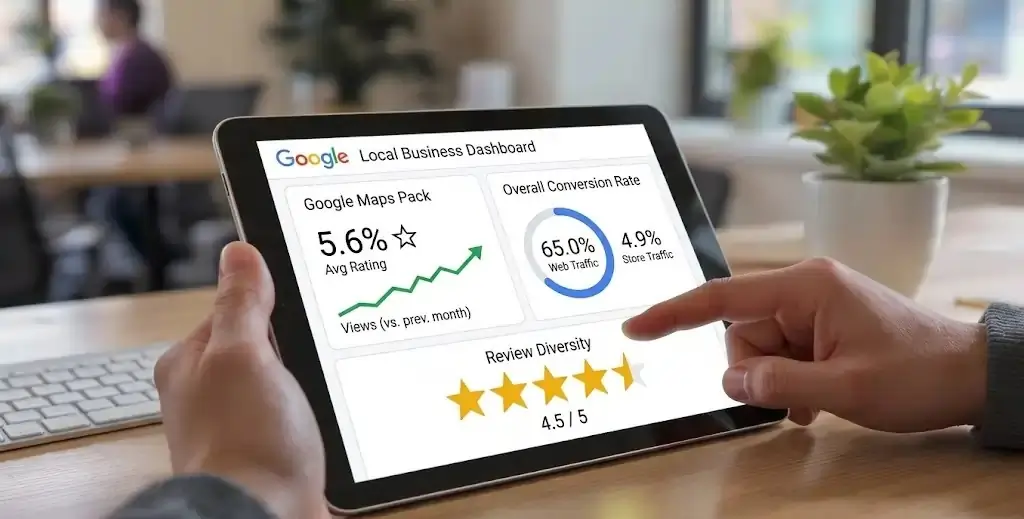
Tracking the impact of customer reviews is essential to understanding how your review strategy affects local SEO performance. By monitoring key metrics, businesses can make data-driven decisions to optimize their online presence. Keep an eye on your Google Maps strategy results to see improvements in visibility and user engagement. Track metrics such as Google Map Pack rankings, website traffic from review clicks, and conversion rates. Regularly monitoring review trends allows you to refine your strategy and ensure continued growth in local search performance.
Key Metrics to Track
- Improvement in Google Map Pack rankings.
- Website traffic generated from review clicks.
- Conversion rate and number of leads from local search.
- Monitor recent review trends for ongoing strategy refinement.
Tips for Sustained Review Growth
Maintaining a consistent flow of customer reviews is key to long-term local SEO success. Make review acquisition an ongoing process. Identify the best times and days for customer engagement. Experiment with messaging, channels, and formats. Combine automated tools with personalized outreach for higher engagement. For continuous improvement, implementing effective strategies for local visibility ensures lasting results.
Ongoing Review Acquisition Strategies
- Make review acquisition an ongoing process.
- Identify the best times and days for customer engagement.
- Experiment with messaging, channels, and formats.
- Combine automated tools with personalized outreach for higher engagement.
Conclusion
Customer reviews are a powerful tool to enhance Local SEO, build trust, and increase conversions. By actively acquiring, showcasing, and responding to reviews across multiple platforms, businesses can improve visibility in Google search and the Local Pack, strengthen credibility, and foster long-term customer loyalty. Consistency, quality, and engagement are key reviews should be part of every local SEO strategy to achieve sustainable growth.
FAQs About Customer Reviews and Local SEO
How many reviews do I need to improve my local SEO?
There’s no fixed number, but consistent, recent reviews over time matter more than sheer volume. Focus on quality and frequency.
Can responding to reviews really boost my search rankings?
Yes. Google sees active engagement as a trust signal, which can positively influence local SEO.
Which review platforms are best for local SEO?
Google Reviews is the most critical, followed by Yelp, Trustpilot, and TripAdvisor. Choose the platforms your customers use most.
How do I handle negative reviews without hurting my reputation?
Respond promptly, stay professional, acknowledge the issue, and offer a solution. Transparency builds trust.
Can reviews on my own website help SEO?
Absolutely. First-party reviews add valuable user-generated content and can be marked up with schema for rich results.
Should I incentivise customers to leave reviews?
No. Incentives can violate platform guidelines and harm your reputation. Focus on excellent service instead.