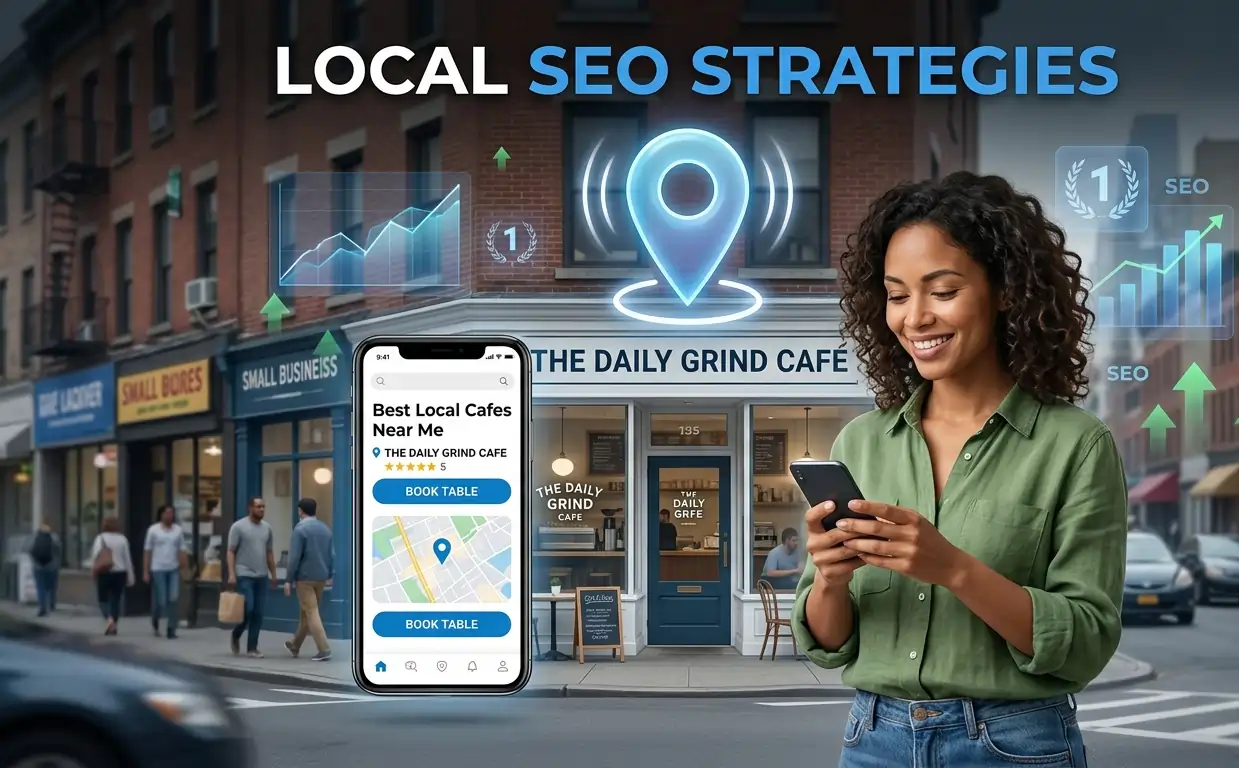

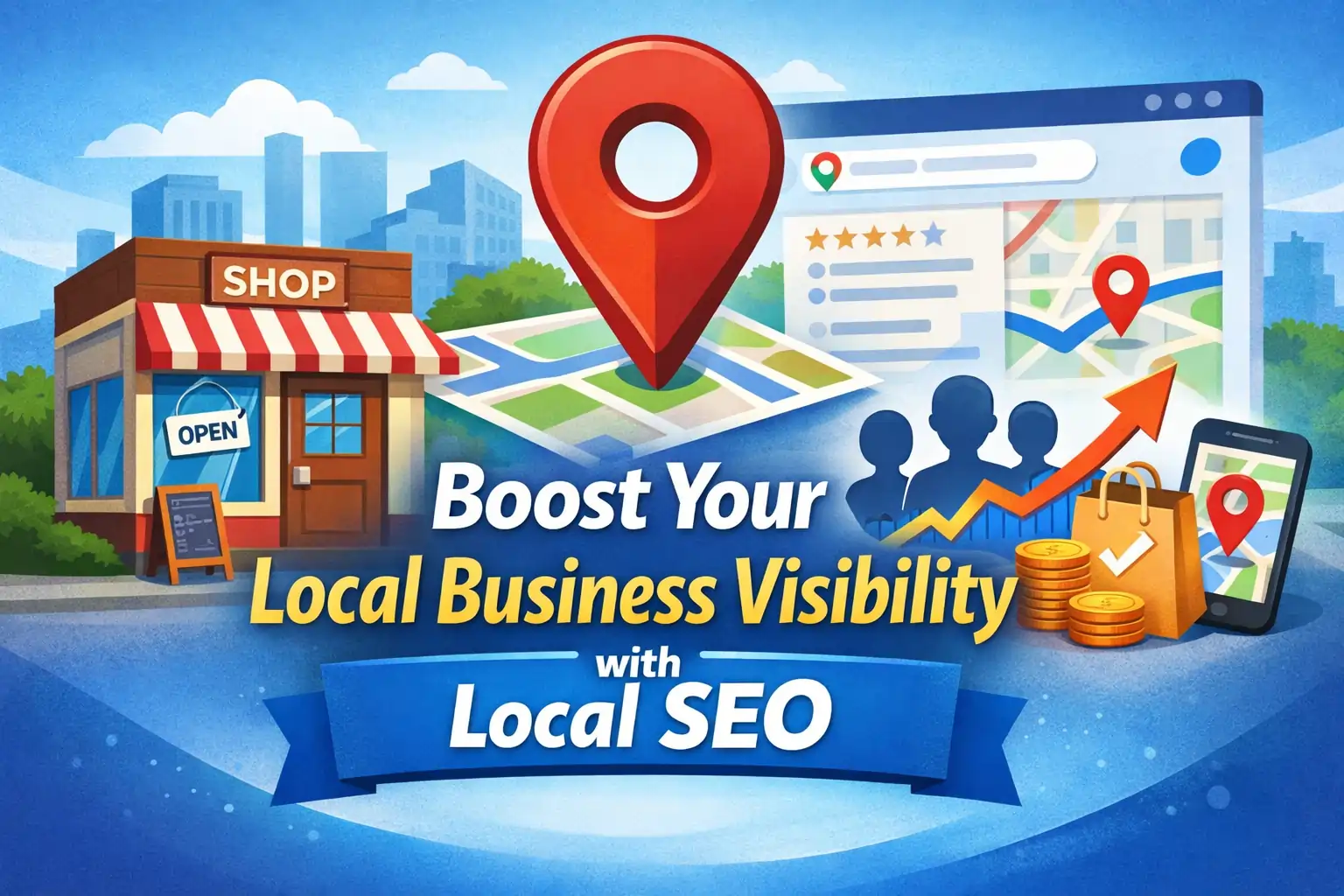
Boost your business visibility and attract local customers with effective Local SEO strategies. By fully optimizing your Google Business Profile, leveraging Google Maps, and ranking in the Local Pack, you can increase foot traffic, leads, and conversions. You’ll find practical steps, proven tips for Google Maps optimization, strategies for content and local citations, and ways to monitor and improve your local search performance effectively.
Table of Contents
- Why Is Local SEO Essential and How Does It Benefit Your Business?
- Getting Started With Your Google Business Profile
- How Google Business Profile Supports Strong Local SEO Performance
- How to Use Google Posts and Q&A to Boost Visibility
- Optimizing Your Website for Better Local Search Visibility
- Building Local Authority Beyond Your Website
- How to Create Localized Content That Boosts Your SEO
- How to Track, Measure, and Improve Your Local SEO Performance
- Frequently Asked Questions
- Conclusion: Take Control of Your Local SEO Success
Why Is Local SEO Essential and How Does It Benefit Your Business?
Local SEO focuses on optimizing your online presence so that potential customers in your area can find your business quickly. With nearly 46% of Google searches being local, appearing in these searches can significantly impact foot traffic, inquiries, and conversions, and you can learn more foundational strategies through the SEO fundamentals guide. Understanding “near me” searches and location-specific queries ensures your business appears when potential customers are actively looking for services like yours. Leveraging tools like Google Maps and local keyword strategies helps you capture high-intent searches that drive real results.
Getting Started With Your Google Business Profile
Setting up your Google Business Profile is the first step toward stronger local visibility. Begin by claiming your listing and completing all business details accurately, including name, address, phone number, and website. Choose the correct primary and secondary categories to help Google understand your services and connect with relevant local searches. Adding photos, business hours, and attributes enhances user experience, while consistent updates signal reliability to both customers and search engines.
How Google Business Profile Supports Strong Local SEO Performance
Claiming and verifying your Google Business Profile is the first essential step. Proper verification not only ensures your business appears in local searches but also builds credibility and trust with both Google and your customers. For official guidance on verification, refer to Google’s Business Profile verification guide.
Ensuring your Name, Address, and Phone Number (NAP) are consistent everywhere is essential. Any discrepancies can confuse search engines and potential customers, reducing trust and impacting local rankings. Selecting the correct primary and secondary categories allows Google to properly understand your business offerings and connect you to the right audience searching for your services.
What Should You Include in Every Section?
- Business name, address, phone, website: Ensure your website link is a correct and fully functional link internally to Explore Our Website.
- Services: Clearly outline all your offerings and link internally to the Discover Our Services page.
- Include hours, photos, and business attributes to provide complete information to searchers.
- Business description: Use a compelling description that highlights what makes your business unique and relevant locally.
How to Use Google Posts and Q&A to Boost Visibility
Encouraging customer reviews through Google Posts and Q&A helps your business build credibility and attract more local clients. Promptly responding to feedback shows that you value customer opinions and enhances trust with both users and search engines. Positive reviews can improve your Local Pack rankings, increase click-through rates, and boost visibility in local searches. Tools like Google Business Profile and BrightLocal can simplify managing and tracking reviews efficiently.
Optimizing Your Website for Better Local Search Visibility
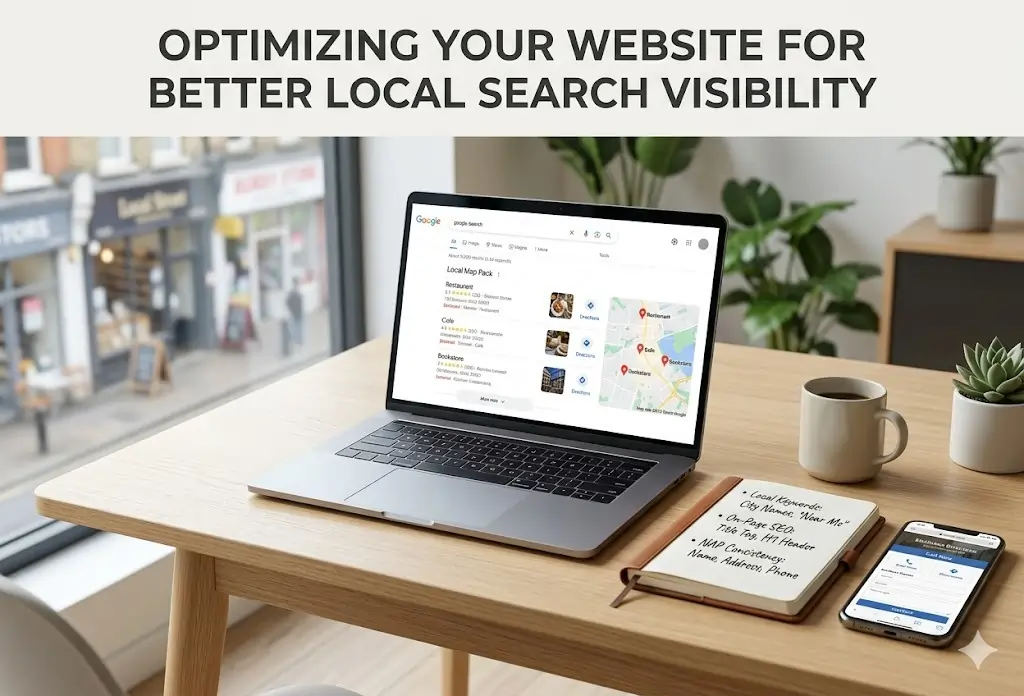
Optimizing your website for local search improves your visibility in search engines and ensures that nearby customers find your business. Using location-specific keywords, structuring on-page elements carefully, and leveraging local tools like Google Maps can help you dominate local search results, and you can explore specific offerings through Full service guide. Optimized content attracts more qualified leads, increases foot traffic, and improves conversions.
What Local Keywords Should You Target?
Focus on keywords that include geographic modifiers like city names, neighbourhoods, or “near me” phrases. Conduct research using keyword tools and techniques to identify high-value local terms. For guidance on local keyword research, refer to SEO Basics to ensure your strategy targets the right searches.
Which On-Page Signals Matter Most?
Proper on-page optimization signals to Google the relevance of your website for local searches. Key elements include:
- Title tag: Include the city and primary service for maximum local relevance.
- Meta description: Write compelling, location-specific descriptions to improve click-through rates.
- H1 headings: Use clear, descriptive headings to help Google and users understand your page’s content.
- NAP visibility: Display your Name, Address, and Phone on every page.
- Embedded Google Maps: Include maps on your pages that link internally to Google Maps Strategies.
- Internal linking: Connect location-specific pages to main service pages to strengthen authority.
How to Create Location-Specific Pages That Rank
Create dedicated pages for each service area to rank higher in local searches. Include details like your local team, testimonials, addresses, and phone numbers, and encourage potential clients to get in touch through these pages. Connect these pages to the Discover Our Services pages to guide users and boost site authority. This structured approach increases the chances of ranking for multiple local queries and makes it easier for customers to find relevant information quickly.
Building Local Authority Beyond Your Website
Developing a local authority ensures your business is trusted by customers and favoured by search engines. Maintaining accurate information online and acquiring credible citations across relevant directories and websites improves your visibility and boosts local rankings.
Why NAP Consistency Is Crucial Across the Web
Maintaining consistent Name, Address, and Phone Number (NAP) details across the web helps Google verify your business with confidence. When your information matches on directories, social profiles, and citation sites, it strengthens your local authority and improves your chances of appearing in the Local Pack. Consistency reduces user confusion and builds trust, and tools like BrightLocal or Whitespark make it easier to monitor and correct inaccurate listings.
How to Get High-Quality Local Citations
Focus on obtaining citations from:
- Major aggregators such as Data Axle and Neustar
- Popular directories like Yelp, Yellow Pages, and industry-specific sites
- Local sources, including Chamber of Commerce listings and local newspapers
Encouraging and Managing Customer Reviews
Request reviews from happy customers regularly and respond to all feedback professionally and promptly. For guidance on improving your local reputation and maintaining consistent quality, follow handling customer reviews to handle feedback effectively. Positive reviews not only enhance trust and credibility but also influence your visibility and rankings in local search results.
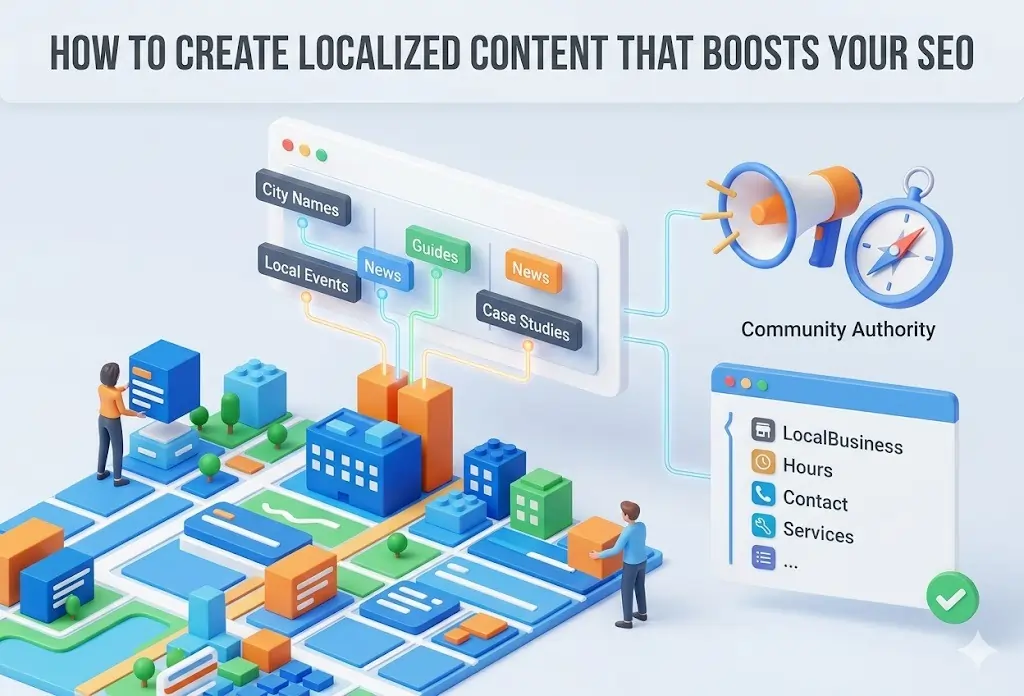
How to Create Localised Content That Boosts Your SEO
Creating content tailored to your local audience strengthens your online presence. Incorporate city and neighbourhood mentions naturally, write about local events, news, or guides, and highlight case studies or customer success stories. Engaging local content builds credibility and positions your business as a community authority.
How to Write Local Content That Resonates
Create content that answers the specific needs and questions of your local audience. Use geographic keywords naturally, and provide insights, solutions, or tips relevant to your area. Sharing authentic stories about local customer experiences enhances trust and engagement.
How Schema Markup Helps Search Engines Understand Your Business
Implement LocalBusiness schema to mark hours, contact info, and services. Using tools like the Google Structured Data Markup Helper ensures search engines accurately interpret your website content, improving visibility in rich results and local search.
How to Track, Measure, and Improve Your Local SEO Performance
Tracking your Local SEO performance allows you to evaluate what works and what needs adjustment. Regular measurement ensures your strategies are effective and helps you outperform competitors in local searches.
Which Metrics Are Most Important for Local SEO?
Focus on: Local keyword rankings, Map Pack impressions, website traffic from local searches, review quantity and quality, and other important indicators that reveal your performance, and you can see a complete overview on complete site insights. These metrics give insights into your website’s performance and influence ongoing local SEO decisions.
How to Audit Your Website & Listings Regularly
Regularly audit your website and listings using tools like Google Search Console and citation management platforms. Track location-specific pages for consistent NAP, optimized content, and proper internal linking to maintain top local search performance.
Conclusion: Take Control of Your Local SEO Success
Optimizing your website for Local SEO ensures your business gets found by the right customers. Combining a fully optimized Google Business Profile, location-specific pages, consistent NAP data, and actively managed reviews strengthens visibility and authority. These strategies help you compete with bigger brands, capture high-intent searches, and grow local revenue. Start today to turn your website into a powerful lead generation tool for your community.
Frequently Asked Questions
Why is a complete Google Business Profile critical for local SEO?
A complete profile ensures accurate business information, increases local search visibility, and builds credibility.
How do on-page signals affect local rankings?
Title tags, meta descriptions, H1 headings, and consistent NAP help Google understand your website and rank it appropriately.
What are local citations, and why do they matter?
Mentions of your business’s name, address, and phone number across the web. High-quality citations increase trust and improve local rankings.
How do reviews influence local search performance?
Reviews affect reputation, click-through rates, and search rankings. Positive reviews attract more potential customers.